Restorative Treatments
Gum Disease Treatment in Newport Beach, CA
Advanced Periodontal Care to Protect Your Health and Your Smile
Bleeding, swollen or receding gums are worth taking seriously. Dr. Omid Haroonian diagnoses and treats gum disease at every stage with a proactive, personalized plan that helps you keep your natural teeth and protect your overall health. Whether you have early gingivitis or more advanced periodontitis, you get a customized treatment plan and long-term support.

What Is Gum Disease?
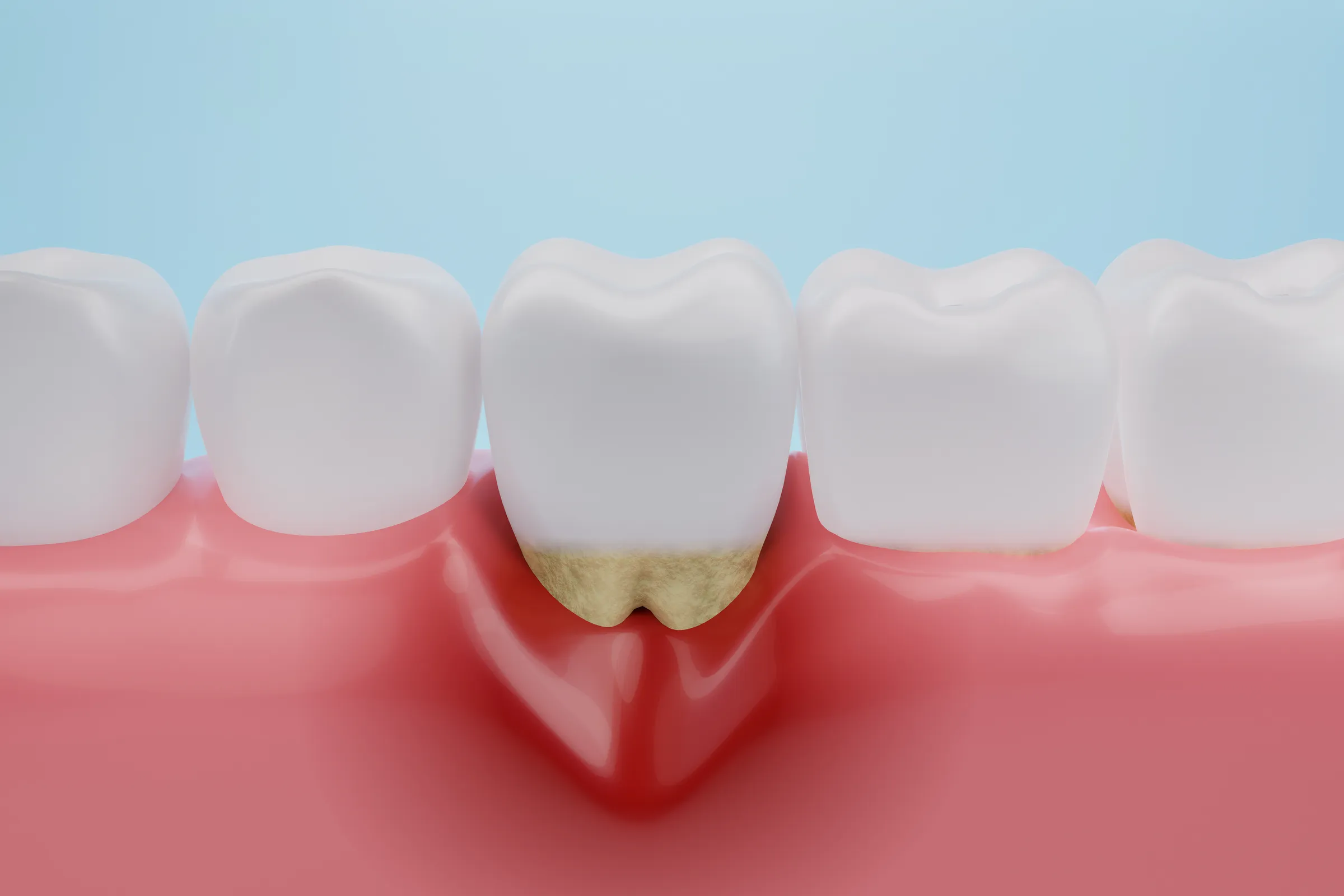
Gum disease, also called periodontal disease, is an infection of the gum tissues that hold your teeth in place. It begins with bacteria from plaque building up along the gumline, and poor oral hygiene, smoking, stress and genetics can all raise your risk. Left untreated, it can cause gum recession, bone loss and eventually tooth loss, often without any pain to warn you. That is why early detection and treatment matter so much. Our care is personalized at every step, from the first deep cleaning to the maintenance visits that keep the infection from returning.
The Three Stages of Gum Disease
- Gingivitis The earliest stage and the only reversible one, marked by bleeding, red, swollen or sensitive gums that improve with regular cleanings and better home care.
- Periodontitis Bacteria form pockets between the teeth and gums, and although this stage cannot be reversed, scaling and root planing can stop it from progressing.
- Advanced Periodontitis The infection reaches the bone that supports your teeth, and without treatment it can lead to tooth loss, so surgical care is often needed.
Warning Signs to Watch For
- Bleeding gums. Gums that bleed easily are often the first sign of gingivitis.
- Redness or swelling. Healthy gums are firm, not puffy or inflamed.
- Persistent bad breath. Bacteria below the gumline can cause breath that does not go away.
- Receding gums. Gums that pull back and make the teeth look longer.
- Loose teeth. A sign that the infection may be affecting the supporting bone.
Our Periodontal Treatments
- Deep Cleaning (Scaling & Root Planing) A non-surgical treatment that removes plaque, tartar and bacteria from below the gumline and smooths the tooth roots to encourage healing.
- Gingivoplasty Reshapes and recontours the gums to improve their appearance and function, often after gum disease has been treated.
- Flap Surgery For deep pockets, the gum tissue is opened so the area beneath can be cleaned thoroughly, then repositioned to promote healing.
- Bone Grafting Rebuilds bone lost to infection, supporting the teeth that remain and preparing the jaw for implants if needed.
- Crown Lengthening Adjusts the gumline to expose more natural tooth structure for restorative work or cosmetic enhancement.
- Dental Implant Placement If gum disease has already cost you teeth, dental implants can rebuild your smile once the infection is under control.
Periodontal Maintenance: Stay Healthy for Life
- A customized maintenance program after active treatment
- Maintenance cleanings, typically every 3–4 months
- Digital monitoring of your gum health
Keeping your gums healthy after treatment is critical, and a maintenance plan is how we keep the infection from coming back.
Why Early Treatment Matters
- Protects teeth and bone. Early care helps prevent tooth and bone loss.
- Less inflammation. Treatment reduces chronic inflammation in the body.
- Fresher breath. Removing bacteria below the gumline improves breath.
- Overall health. Gum disease is linked to heart disease, diabetes and stroke.
- Less surgery. Catching it early minimizes the need for surgical treatment.
Technology for Gentle, Thorough Care
Digital X-rays and 3D imaging help us diagnose gum disease precisely, and piezoelectric ultrasonic scalers clean deep below the gumline while staying gentle. Laser dentistry lets us treat gum tissue with minimal discomfort, and caries detection dye and intraoral cameras give us complete visibility. Learn more about our dental technology.
Care That Puts Your Comfort First
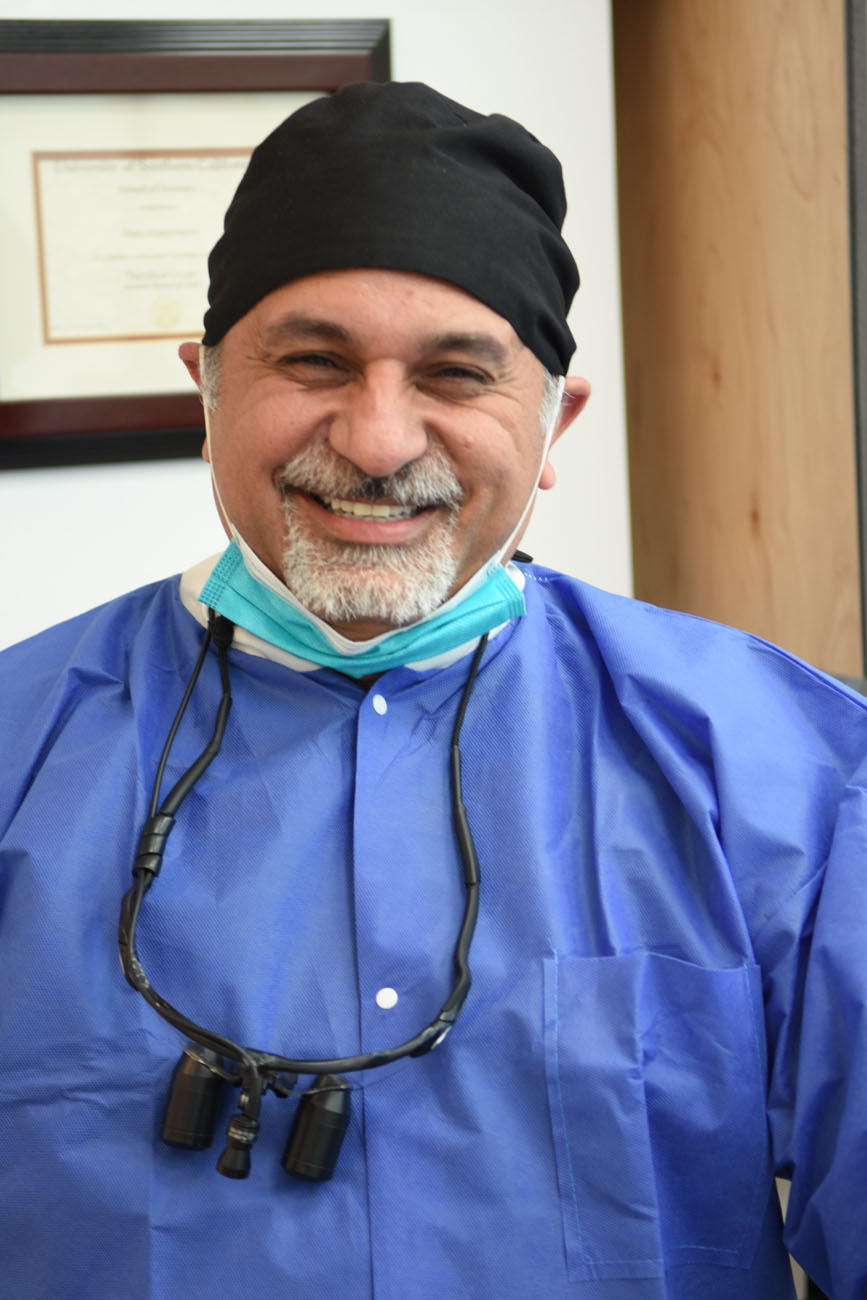
Dr. Haroonian and our team listen closely, explain everything in plain terms and treat you as a partner in your oral health. Gentle techniques and sedation options help keep you comfortable throughout treatment.
Let’s rebuild and protect your smile together. Book your gum health consultation online or call (949) 646-2481.
The short answer
Gum disease treatment is care for periodontal disease, an infection of the gum tissue that supports your teeth, at every stage from gingivitis to advanced periodontitis. It usually begins with scaling and root planing, a deep cleaning below the gumline, and may include gingivoplasty, flap surgery or bone grafting in advanced cases. Treatment stops the infection from progressing and helps prevent gum recession, bone loss and tooth loss, followed by maintenance cleanings that keep the gums healthy.
Frequently Asked Questions About Gum Disease Treatment
- What causes gum disease?
Gum disease is caused by bacteria in plaque that builds up along the gumline. Poor oral hygiene, smoking, stress and genetics can all increase your risk. Regular cleanings and good habits at home help keep that buildup under control.
- Is gum disease reversible?
Gingivitis, the earliest stage of gum disease, can be reversed. Periodontitis cannot be reversed, but it can be managed with professional care and good home habits. That is why treating gum disease early makes such a difference.
- What are the signs of gum disease?
Common signs of gum disease include red, swollen or bleeding gums, persistent bad breath, receding gums and loose teeth. Gum disease does not always cause pain, so it can progress without you noticing. If you notice any of these signs, schedule an exam so we can check your gums.
- Does treatment hurt?
Most patients experience little to no discomfort during periodontal treatment. We use gentle techniques and can offer sedation options if you are nervous. Let us know about any concerns before your visit so we can plan for your comfort.
- How often do I need periodontal cleanings?
After gum disease treatment, maintenance cleanings every 3–4 months are typically recommended. These visits keep bacteria below the gumline under control and let us monitor your gums over time. Your program is customized to how your gums respond.
- Can I still get dental implants if I’ve had gum disease?
Yes, implants are often possible once the gum infection is under control. If bone has been lost, we can rebuild it so implants can be placed safely. Dr. Haroonian will review your gum and bone health and explain your options.
- Will my insurance cover periodontal treatment?
Most dental insurance plans offer partial coverage for gum disease treatment. Our team will help you check your benefits and make the most of your plan. Financing is available for all dental treatments if you need help with the rest.
- What is scaling and root planing?
Scaling and root planing is a deep cleaning that removes bacteria from below the gumline and smooths the tooth roots to encourage healing. It is a non-surgical treatment and the main way we stop periodontitis from progressing. It is usually the first step once gum disease has moved beyond gingivitis.
- Can gum disease affect my overall health?
Yes, gum disease has been linked to heart disease, diabetes and stroke. Treating it reduces systemic inflammation in the body. Keeping your gums healthy is one way to support your overall health.
- What happens if I ignore gum disease?
Untreated gum disease can lead to tooth loss, jawbone damage and other serious health problems. Because it often progresses without pain, the damage can be well underway before you notice it. Early treatment is the key to avoiding these complications.

Book a visit
Schedule your visit with Dr. Haroonian


Google reviews

Insurance & financing
Paying for Your Care
We work with most major PPO dental insurance plans and are happy to verify your benefits before your visit.
Financing through CareCredit.