General Dentistry
Sedation Dentistry in Newport Beach, CA
Calm, Comfortable Dental Visits Without the Stress
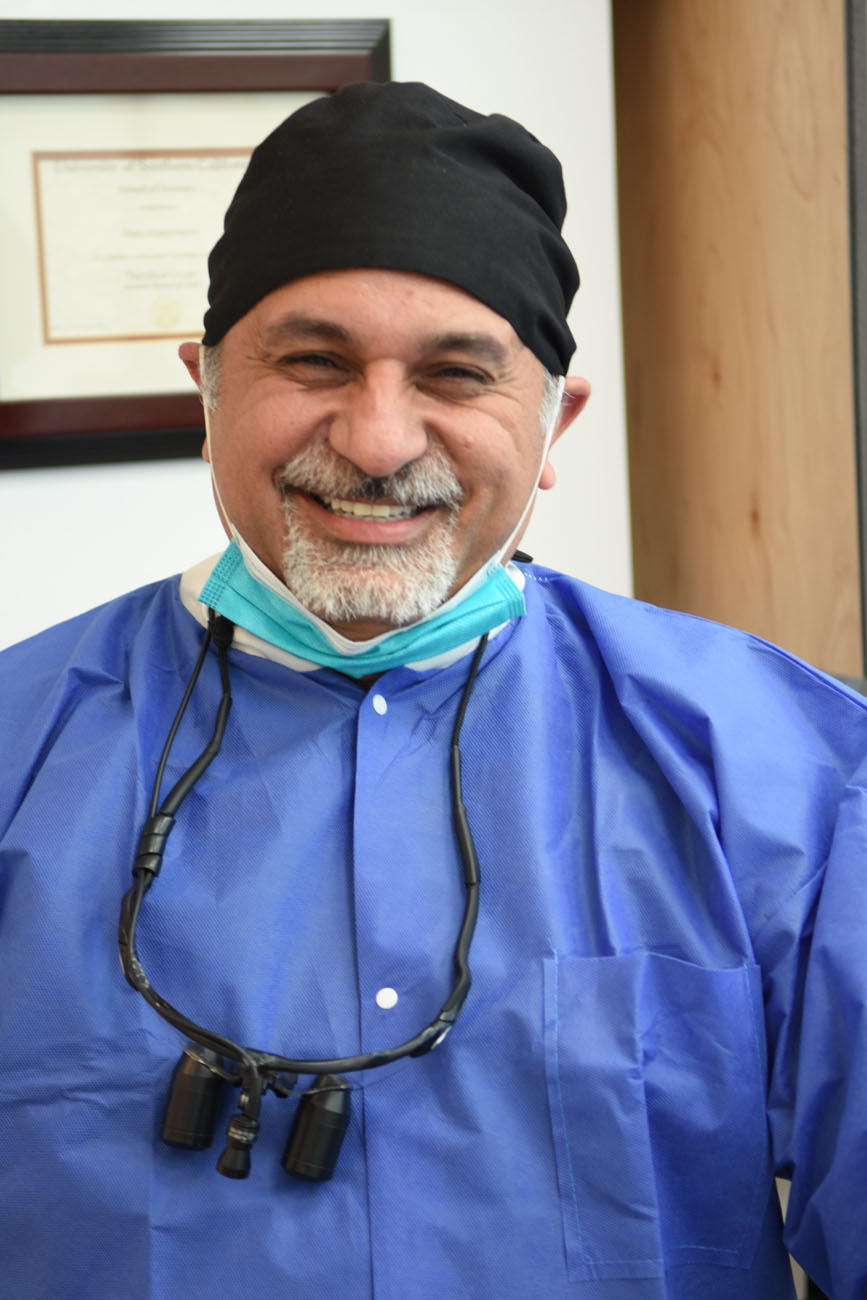
Many people feel anxious about dental care, whether because of a negative experience in the past or simply nerves in the dental chair. Our gentle sedation options help you relax and get the care you need, without fear or discomfort. Dr. Omid Haroonian will help you choose the level of sedation that suits you and your treatment.

What Is Sedation Dentistry?
Sedation dentistry uses safe, controlled medications to help you feel more relaxed during dental procedures. Depending on the option, you may take a pill before your visit or receive sedation through a small IV, and in either case you stay awake and able to respond. The treatment area is also numbed with local anesthesia, so sedation addresses your anxiety while the anesthetic keeps the work itself comfortable. Your vitals are closely monitored throughout, and you receive detailed instructions before and after treatment. For many patients, the result is an appointment that feels surprisingly fast and easy, and a chance to catch up on care they have been putting off.
Types of Sedation We Offer
- Oral Conscious Sedation Taken as a pill before your appointment, it leaves you deeply relaxed but awake, and most patients remember little to nothing of the procedure.
- IV Sedation Given through a small IV for a deeper level of relaxation, it suits longer or more complex treatment and is closely monitored throughout your visit.
- Local Anesthesia Even without sedation, we numb the treatment area completely, and sedation can be combined with local anesthesia when needed.
Is Sedation Right for You?
- Dental anxiety. You feel anxious or fearful about dental visits.
- Sensitive gag reflex. Instruments or impressions are hard for you to tolerate.
- Multiple procedures. You need several treatments completed in one visit.
- Sitting still. You find it difficult to stay in the chair for extended periods.
- Low pain threshold. You are especially sensitive to dental work.
Common Procedures That May Use Sedation
- Wisdom tooth removal
- Tooth extractions
- Root canal therapy
- Dental implants
- Full-mouth reconstruction
- Multiple fillings or crowns in one visit
You don’t have to let fear delay your dental health. Ask about sedation when you book your next visit.
What to Expect With Sedation Dentistry
- Consultation & Evaluation We review your medical history, discuss your concerns and help you choose the right level of sedation.
- Safe, Monitored Care Your vitals are closely monitored during sedation, and you receive detailed pre- and post-treatment instructions.
- A Calmer Experience You feel at ease throughout your visit, and many patients say the appointment felt surprisingly fast and easy.
Why Choose Sedation at Our Office?
- An experienced team trained in sedation and comfort care
- Personalized plans based on your medical history and preferences
- Advanced technology for safe monitoring
- Gentle, respectful communication throughout your visit
- A relaxing office with a compassionate staff
Ready for a calmer visit? Book online or call (949) 646-2481 to ask about sedation.
The short answer
Sedation dentistry uses safe, controlled medications to help patients relax during dental treatment, while local anesthesia keeps the treatment area numb. Options include oral conscious sedation, taken as a pill before the visit, and IV sedation for a deeper level of relaxation, with vitals monitored throughout. It helps people with dental anxiety, a sensitive gag reflex or a low pain threshold, and those who need longer treatment or several procedures in one visit.
Frequently Asked Questions About Sedation Dentistry
- Is sedation dentistry safe?
Yes, all of our sedation options are carefully administered and monitored by trained professionals. We follow protocols approved by the American Dental Association. Your medical history is reviewed before treatment, and your vitals are closely monitored throughout your visit.
- Will I be asleep during sedation?
No, with oral or IV sedation you will be deeply relaxed and may feel drowsy, but you stay awake. You remain able to respond if needed. Many patients remember little to nothing about the procedure afterward.
- How long does the sedation last?
The effects can last a few hours, depending on the type of sedation used. Because of that, you will need someone to drive you home after your appointment. We’ll explain what to expect for your specific type of sedation ahead of time.
- Can I eat or drink before sedation?
You may need to avoid eating or drinking for several hours before your procedure. The exact guidance depends on the type of sedation you receive. We’ll give you full instructions ahead of time so you know how to prepare.
- Is sedation covered by insurance?
Some insurance plans may cover sedation in certain cases, especially for surgical procedures. Coverage depends on your plan and the treatment you need. Our team will help you check your benefits before your visit.
- Can children get sedation?
In certain cases, yes, children can receive sedation. We evaluate your child’s health and treatment needs before recommending any sedation option. We’ll talk through the choices with you so you can decide together.
- Will I feel pain during the procedure?
No, we combine local anesthetic with sedation so your visit is pain-free. The anesthetic numbs the treatment area while sedation helps you relax. Let us know at any point if you feel uncomfortable.
- What does oral sedation feel like?
Oral sedation leaves you feeling drowsy, relaxed or slightly groggy, while you stay awake and able to respond. Many patients don’t remember much about their visit. You’ll need someone to drive you home, because the effects can last a few hours.
- Who should avoid sedation dentistry?
Not everyone is eligible for sedation. Patients with certain medical conditions or medication conflicts may not be candidates. We review your health history thoroughly before treatment to choose a safe option for you.
- Can I go back to work after being sedated?
No, plan to rest for the remainder of the day after sedation rather than going back to work. You’ll also need someone to drive you home. Normal activities can usually resume the next day.

Book a visit
Schedule your visit with Dr. Haroonian


Google reviews

Insurance & financing
Paying for Your Care
We work with most major PPO dental insurance plans and are happy to verify your benefits before your visit.
Financing through CareCredit.