General Dentistry
TMJ & Jaw Pain Treatment in Newport Beach, CA
Relieve Jaw Discomfort and Restore Your Bite
Jaw pain, clicking when you chew, frequent headaches or limited jaw movement can all be signs of TMJ disorder, also known as TMD. Dr. Omid Haroonian diagnoses and treats TMJ-related problems with conservative, non-invasive therapies designed to bring long-lasting relief. The goal is simple: ease your discomfort and restore your jaw’s natural function.

What Is TMJ Disorder?
TMJ stands for temporomandibular joint, the small but complex joint that connects your jawbone to your skull. It is the hinge that lets you open and close your mouth to talk, chew and yawn. TMJ disorder develops when this joint becomes misaligned, inflamed or overworked, often because of clenching, grinding, trauma, arthritis or an imbalanced bite. Because the joint sits near the ears and is connected to the muscles of the face, pain can spread to the temples, head and neck. A personalized TMJ evaluation is the first step toward finding the cause of your symptoms and the treatment that will relieve them.
Signs You May Have TMJ Disorder
- Jaw pain. Persistent pain or soreness in the jaw.
- Joint noises. Clicking, popping or grinding when you open or close your mouth.
- Headaches. Frequent headaches or migraines.
- Referred pain. Pain behind the eyes, in the ears or at the temples.
- Limited movement. Difficulty chewing, or a jaw that locks.
- Muscle tension. Tightness in the neck, shoulders or face.
TMJ Treatment Options We Offer
- Custom TMJ Night Guards Custom-fit oral appliances help reposition the jaw, reduce clenching and grinding during sleep, relieve muscle tension and protect your teeth from wear.
- Occlusal Adjustment For bite imbalances, we reshape specific tooth surfaces so your teeth meet more evenly and take pressure off the jaw joint.
- TENS Therapy Transcutaneous electrical nerve stimulation uses gentle electrical pulses to relax the jaw muscles, increase blood flow and reduce pain.
- Imaging & Digital Bite Analysis Advanced imaging and bite analysis tools help pinpoint the root cause of your symptoms for a precise treatment plan.
- Botox for Jaw Tension Botox is available for functional and aesthetic relief of chronic jaw tension.
Why Patients Choose Us for TMJ Care
- Advanced diagnostic and treatment tools
- A personalized, conservative approach
- Expertise in occlusal balancing and oral appliances
- A compassionate team focused on long-term results
- A convenient location near John Wayne Airport
Surgery is very rare and only recommended for severe cases that don’t respond to other care; most patients do well with conservative treatment.
What to Expect at Your Appointment
- Comprehensive TMJ Evaluation We review your symptoms, medical history and jaw movement, followed by imaging and bite assessments if needed.
- Custom Treatment Plan You receive a detailed care plan based on your symptoms, jaw function and goals, built on conservative, proven solutions.
- Follow-Up & Relief We check your progress, because continued use of your guard or therapy is what supports long-term results.
Don’t wait to get relief. Book your TMJ evaluation online or call (949) 646-2481.

The short answer
TMJ treatment relieves pain and dysfunction in the temporomandibular joint, the joint that connects the jawbone to the skull. Care begins with an evaluation of your symptoms, jaw movement and bite, often with imaging, followed by conservative therapies such as custom night guards, occlusal adjustment, TENS therapy or Botox. It is used for jaw pain, clicking or popping, headaches, and difficulty chewing caused by clenching, grinding or bite imbalance.
Frequently Asked Questions About TMJ & Jaw Pain
- What causes TMJ disorder?
Common causes of TMJ disorder include teeth grinding, jaw injury, stress-related clenching, arthritis and bite misalignment. Each of these can leave the jaw joint misaligned, inflamed or overworked. Finding the specific cause is what guides your treatment plan.
- Can TMJ pain go away on its own?
Mild cases may improve with rest and home care, but persistent symptoms should be evaluated by a dentist. Leaving ongoing jaw pain untreated can allow the problem to get worse. An evaluation helps you find relief sooner.
- How do I know if my jaw pain is from TMJ or something else?
A dentist can tell TMJ disorder apart from other causes of jaw pain through a physical exam, bite analysis and digital imaging. We review your symptoms, medical history and jaw movement during your evaluation. That information shows whether the joint itself is the source of your pain.
- Is TMJ treatment painful?
No, most TMJ treatments are non-invasive and designed to relieve pain, not cause it. Options such as custom night guards, TENS therapy and bite adjustment are gentle and conservative. Patients often report immediate relief after beginning therapy.
- Will insurance cover TMJ treatment?
Some TMJ procedures may be covered, depending on your plan. Our team will help you check your benefits and give you clear cost information before treatment. Financing is also available for all dental treatments.
- Can stress make TMJ worse?
Yes, stress often increases teeth grinding and muscle tension, which can intensify TMJ symptoms. Much of that clenching happens during sleep without you realizing it. A custom night guard can help protect your teeth and ease the strain on your jaw.
- Is Botox safe for TMJ?
Yes, Botox is FDA-approved and widely used to treat chronic jaw tension and TMJ symptoms. It is available as part of a conservative TMJ treatment plan. Dr. Haroonian will let you know whether it fits your needs.
- Do I need surgery for TMJ?
Surgery is very rare and only recommended for severe cases that don’t respond to other treatment. Most patients respond well to conservative care such as oral appliances, bite adjustment and TENS therapy. Your treatment plan starts with the least invasive options.
- Can TMJ cause ear pain or headaches?
Yes, TMJ disorder can cause pain in the ears, temples, head and neck. The jaw joint sits near the ears and is connected to facial muscles that can trigger pain in those areas. Treating the joint often eases these related symptoms as well.
- How long does it take to feel better after starting treatment?
Many patients notice improvement within days to weeks of starting treatment. Continued use of your mouth guard or therapy supports long-term results. We follow up to check your progress and adjust your plan if needed.

Book a visit
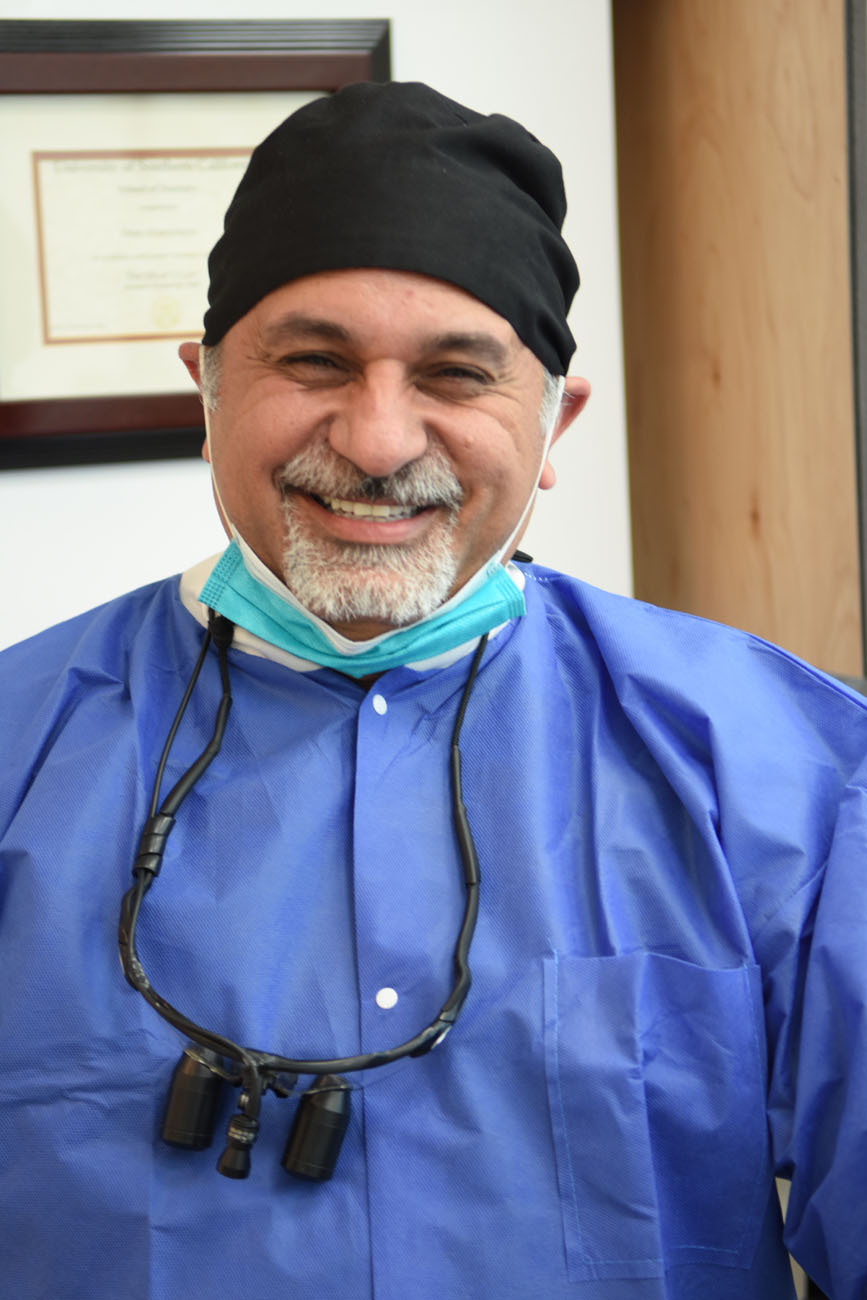
Schedule your visit with Dr. Haroonian


Google reviews

Insurance & financing
Paying for Your Care
We work with most major PPO dental insurance plans and are happy to verify your benefits before your visit.
Financing through CareCredit.