General Dentistry
Tooth Extractions in Newport Beach, CA
Comfortable, Gentle Care When a Tooth Can’t Be Saved
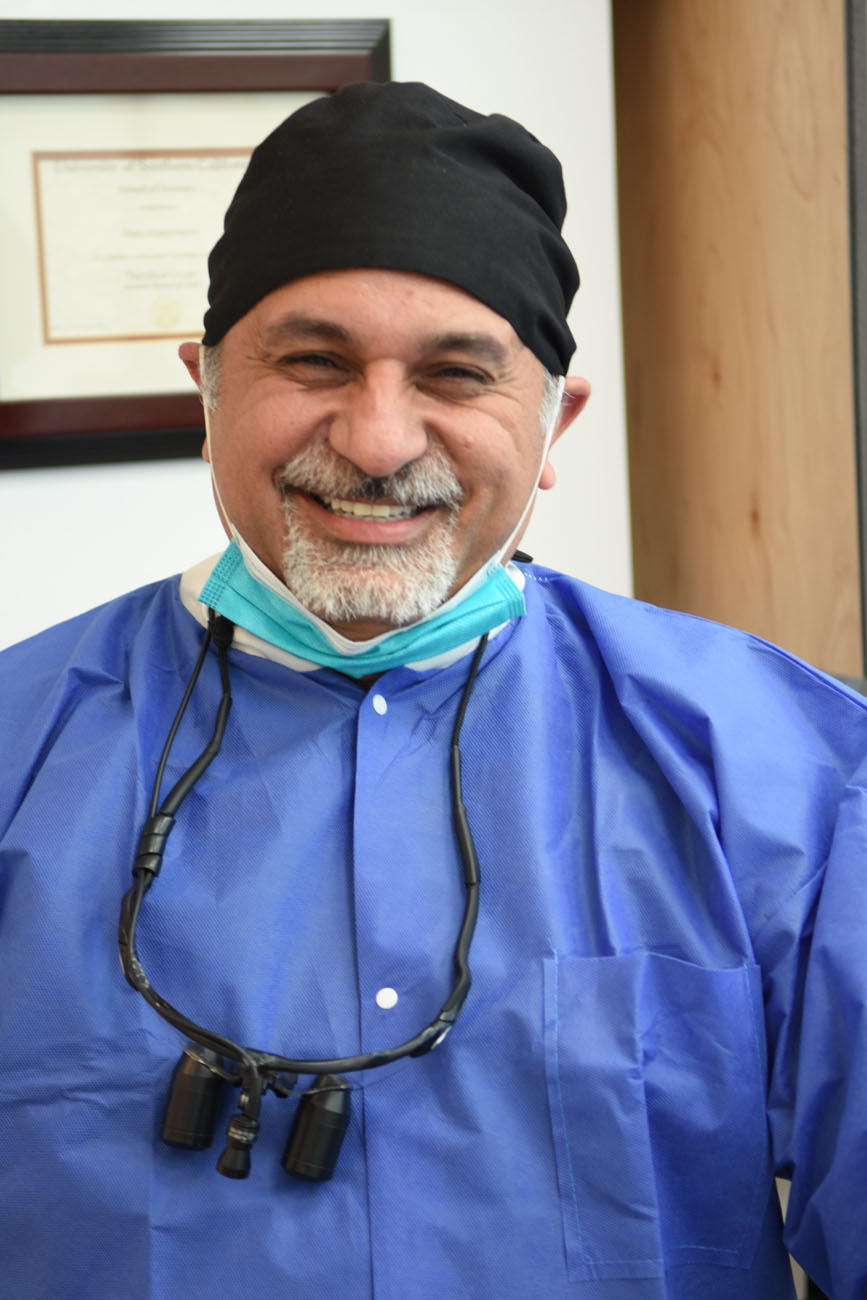
Having a tooth removed can feel intimidating, so Dr. Omid Haroonian and our team put your comfort first at every step. With advanced techniques and modern technology, we make extractions quick and precise, and oral and IV sedation are available to help you relax.

What Is a Tooth Extraction?
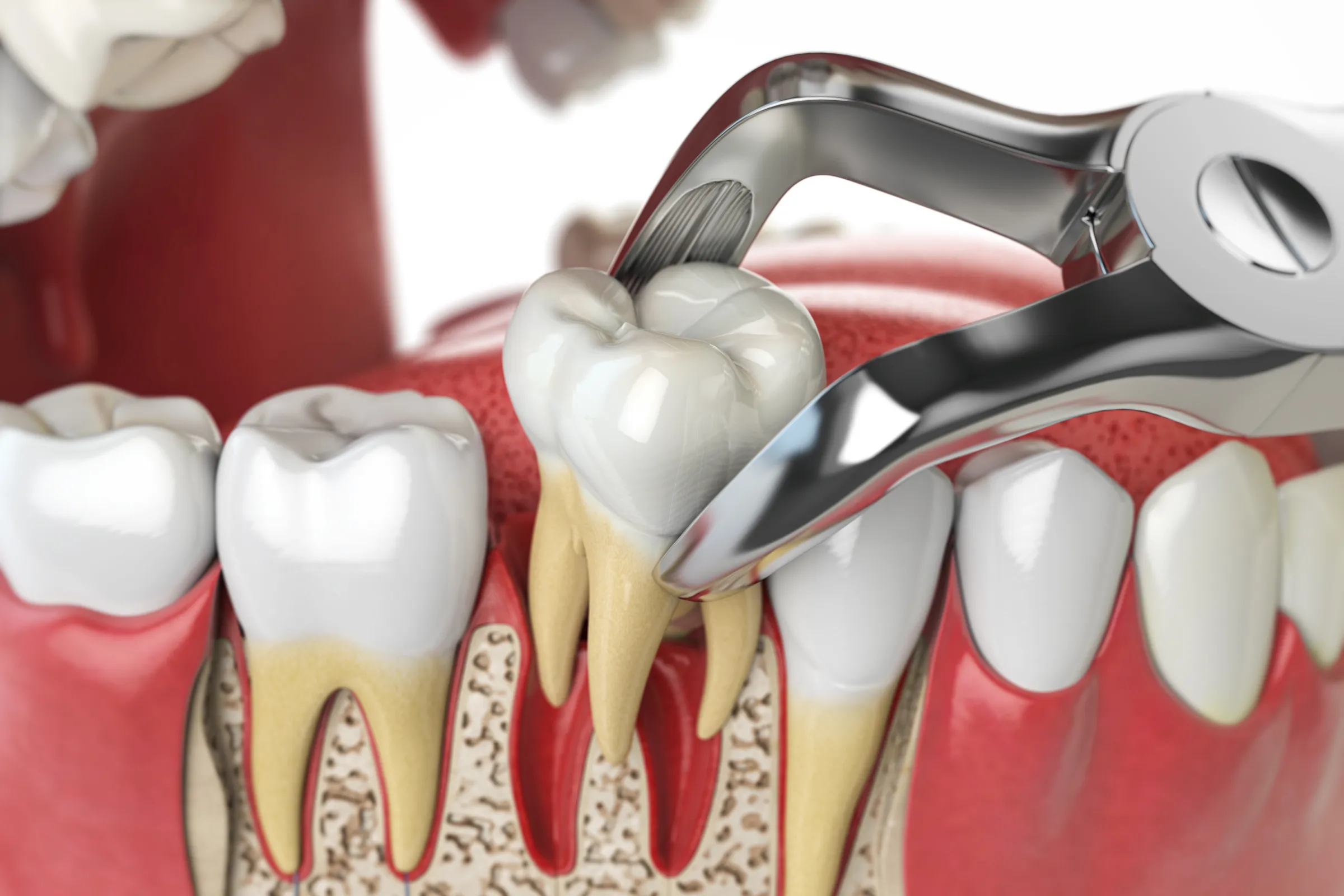
A tooth extraction is the removal of a tooth from its socket in the jawbone. We always do everything we can to save a tooth, and we recommend extraction only when removing it is truly the best choice for your long-term health, such as deep decay that cannot be repaired or an impacted wisdom tooth. Before treatment, digital X-rays show the tooth and the surrounding bone, so Dr. Haroonian can plan whether a simple or surgical extraction is needed. The area is fully numbed, and sedation is available if you are anxious. Once the site heals, we can discuss options to replace the tooth so you are not left with a gap.
Why a Tooth May Need to Be Removed
- Deep decay. Decay that is too extensive to repair.
- Broken teeth. Teeth fractured below the gum line.
- Severe infection. Infections that don’t respond to root canal therapy.
- Advanced gum disease. Gum disease that leaves a tooth unstable.
- Orthodontic crowding. Overcrowding in preparation for orthodontic treatment.
- Wisdom teeth. Impacted or problematic wisdom teeth.
Types of Tooth Extractions We Offer
- Simple Extractions For visible teeth with healthy roots: the area is numbed and the tooth is gently loosened and removed.
- Surgical Extractions For teeth that are impacted, broken below the gumline or hard to reach, which may need a small incision or sectioning.
- Wisdom Tooth Removal Evaluation and removal of wisdom teeth, whether fully erupted or impacted beneath the gums.
What to Expect During Your Appointment
- X-Rays & Evaluation We take digital X-rays to evaluate the tooth and the surrounding bone.
- Personalized Discussion Dr. Haroonian explains your treatment, answers your questions and makes sure you are comfortable.
- Comfortable Procedure We use gentle techniques and sedation as needed, and most extractions take only minutes once started.
Aftercare: How to Heal Comfortably
- Take ibuprofen or Tylenol as directed
- Use ice packs to reduce swelling
- Avoid straws, smoking and forceful spitting for 24 hours
- Stick to soft foods such as smoothies, yogurt and mashed potatoes
- Rinse gently with warm salt water after the first day
Recovery is typically fast and straightforward when you follow these instructions. Call us right away if you notice worsening pain, swelling or signs of infection.
Replacing a Tooth After Extraction
Losing a tooth doesn’t mean living with a gap. We offer long-lasting, natural-looking replacements, including dental implants, bridges and implant-supported dentures, and we will discuss the right timing and solution for your needs.
Get the relief you need, with the care you deserve. Book online or call (949) 646-2481.
The short answer
A tooth extraction is the removal of a tooth from its socket, recommended when a tooth cannot be saved because of deep decay, a fracture below the gum line, severe infection, advanced gum disease, crowding or a problematic wisdom tooth. After digital X-rays, the area is numbed and the tooth is gently loosened and removed, or removed surgically if it is impacted or broken. Sedation is available, and the tooth can later be replaced with an implant, bridge or denture.
Frequently Asked Questions About Tooth Extractions
- Do tooth extractions hurt?
Not at all, because we numb the area completely before the extraction begins. Sedation is also available if you feel anxious. Most patients say the procedure was easier than they expected. Many are surprised by how quick it is once started.
- How long is the recovery time?
Most people feel back to normal in 2–3 days after an extraction. Surgical extractions or wisdom teeth may require up to a week of gentle care. Following our aftercare instructions helps you heal comfortably. Call us if your pain or swelling gets worse instead of better.
- Will I need stitches?
Stitches are needed only for surgical extractions. They are often dissolvable, so they do not need to be removed. A simple extraction usually needs no stitches at all. We will tell you what to expect before you leave.
- What can I eat after a tooth extraction?
Stick to soft foods for the first few days after an extraction. Good choices include smoothies, scrambled eggs, mashed potatoes and yogurt. Avoid using a straw while the site heals. Return to your usual foods gradually as you feel comfortable.
- What is dry socket and how do I prevent it?
Dry socket happens when the blood clot that forms in the socket is dislodged. To prevent it, avoid straws, smoking and vigorous rinsing for 24–48 hours. These actions can pull the clot loose. Call us if you notice worsening pain after the first few days.
- Do I need to replace an extracted tooth?
Yes, if it is not a wisdom tooth, replacing it is recommended. Replacement helps prevent nearby teeth from shifting, bone loss and bite problems. Options include dental implants, bridges and implant-supported dentures. We will discuss the best timing and solution for you.
- Can I get an implant at the same time as the extraction?
In some cases, yes, an implant can be placed at the same time as the extraction. We assess your bone health and healing ability to determine the right timeline. Digital X-rays help us evaluate the bone around the tooth. Dr. Haroonian will recommend the approach that fits your situation.
- How do I know if my wisdom teeth need to be removed?
We evaluate your X-rays for signs of impaction, crowding or cysts. Pain, swelling or shifting teeth are also red flags. Wisdom teeth often cause problems when they erupt in the late teens or early adulthood. They can push other teeth out of alignment or become infected.
- Is sedation safe for tooth extractions?
Yes, sedation is used safely for tooth extractions. We review your health history beforehand and monitor you closely during sedation. Both oral sedation and IV sedation are available. Our aim is to keep you safe and comfortable throughout.
- Will insurance cover my tooth extraction?
Most dental plans cover extractions partially or fully. Your exact coverage depends on your plan. Our team will verify your benefits and help you make the most of them. Financing is also available if you need it.

Book a visit
Schedule your visit with Dr. Haroonian


Google reviews

Insurance & financing
Paying for Your Care
We work with most major PPO dental insurance plans and are happy to verify your benefits before your visit.
Financing through CareCredit.